

FTG 🎖️
Most slot studios tell you the RTP and leave you to figure out the rest. FTG (FunTa Gaming) publishes RTP, volatility, hit frequency, maximum win, grid layout, and the full feature list on every game page, and as soon as you start digging into those panels, the catalogue stops looking like a wall of Asian-themed slots and starts reading like a set of deliberately distinct maths models. Two FTG games both labelled medium volatility can have hit frequencies of 20.01% and 36%, which is a sizeable gap. That is the difference between a slot that pays roughly one spin in five and one that pays more than one in three.
For Kiwi slot players deciding whether an FTG lobby is worth your time, the mechanics are the clincher. This studio runs tumbling reels, walking WILDs, buy features, and Megaways-style layouts across a range that also includes mahjong-tile scoring and single-row classic formats. It is not a one-trick pony, and the spec panels make it unusually easy to pick a game that matches how you actually like to play.








You have viewed 12 of 50 games!
What the FTG Spec Panel Tells You and Why It Matters for Slot Players
The features themselves are conventional enough on paper. What matters is which ones show up together, because FTG mixes them differently on almost every title, and the panel spells that out before you spend a cent.
Tumbling Reels
Tumbling reels show up most often across the modern grid slots. Winning symbols clear, new ones drop into the gaps, and the sequence carries on while wins keep forming. The practical effect is that a single paid spin can chain several times, lowering your cost per win and lifting the variance within that spin. Paired with a multiplier that climbs with each cascade, this is where FTG’s larger grid slots find most of their upside.
Walking WILDs and Sticky WILDs
Walking WILDs behave differently from the sticky version, and the distinction really matters. A sticky WILD locks in place and remains there. A walking WILD shifts one reel per spin, entering the grid, contributing across several consecutive spins, then exiting. In a free games round, that gives you a predictable window of enhanced spins rather than a single enhanced spin, and it changes how you think about a trigger. Sticky WILDs also appear across the range, usually inside bonus rounds where they accumulate.
Multipliers
Multipliers come in two forms. Some apply to an individual win as a flat boost, others accumulate across a bonus round and apply at the end. Honey Boom pushes the accumulating version as high as 100x, which is where a modest-looking 2,000x ceiling becomes reachable. It pays to check which type a game uses, because a flat 3x on every win produces a very different session shape from a meter that builds to 100x across one round in fifty.
Mystery Bonuses
Mystery bonuses are the mechanic that is hardest to plan around, and that is a description rather than a complaint. They are a bit of a lucky dip. The reward type stays concealed until it resolves, so you cannot read the trigger and know whether you are getting spins, a multiplier, or a cash award. It introduces a genuine unknown into the round, which some players welcome, and others find frustrating.
Buy Features
Buy features let you pay directly into the bonus round instead of waiting for a natural trigger. FTG offers them on a subset of titles and flags them clearly on the site under a dedicated filter. The trade-off is worth spelling out plainly: buying in removes the base-game grind, but it also removes the base-game wins that would have partly funded it, so the effective volatility of a buy-only session runs considerably higher than the game’s published label.
Megaways-Style Layouts
Megaways-style layouts give you a variable number of ways to win per spin rather than a fixed payline count. JP Mahjong 2 is the clearest example in the FTG range, and it makes for an interesting pairing because mahjong tiles carry more visual information than standard slot symbols. Reading a variable-ways win at speed on a tile set takes more attention than reading one on fruit symbols, which you may find either engaging or tiring depending on your temperament.
Mixed-Symbol Mechanics
Mixed-symbol mechanics allow symbol types to combine and form a win rather than requiring an exact match, which effectively widens the win condition without adding reels. Tiger and Dragon Wild builds almost its entire identity on this approach, running mixed symbols and multipliers on a layout compact enough that there is nothing else to rely on.
Free Games
Free games remain the backbone across the slot range, usually scatter-triggered, and on most titles the bonus round is where the additional mechanics stack, rather than the base game.

How to Navigate the FTG Catalogue
Volatility across the slot range runs from genuinely low to genuinely high, and unusually the published hit frequency lets you sort within a volatility band rather than treating it as one bucket. That is the single most useful navigation tool the studio gives you.
If you are newer to slots or you want a session that lasts, start with the high hit frequency titles. Sahara Destiny at 36% and Super Shot at 33% both pay often enough that a modest balance goes a long way, and both carry medium volatility labels rather than high. Coin Touch sits in the arcade category with a 34.96% hit frequency if you want something even gentler. These are games where a $20 balance at $0.20 a spin will keep you going rather than disappearing in four minutes flat.
If you already know what you are after and you want the ceiling, the picture flips. Dancing Drums carries a high volatility label with 22% hit frequency, and Imperial Tomb pushes the maximum win up to 8,891x on medium volatility with 18.72% hit frequency. Tiger and Dragon Wild is the outlier worth understanding: it is labelled low volatility with a 12.40% hit frequency, which sounds contradictory until you see the 1,680x ceiling and realise the low label describes the size of the swings rather than how often it pays.
Whichever direction you go, give the demo a whirl first. Our free slots page carries the FTG range, and with this studio in particular the demo matters more than usual because the tile-based and single-row formats are genuinely unfamiliar if your slot diet has mostly been European studios. Five minutes on JP Mahjong 2 in demo will tell you more than any description of Megaways-style scoring.
Slots That Show What FTG Can Do
Here are five titles that, between them, cover the widest span of what the studio actually builds.
Super Shot

The most feature-dense slot in the range, carrying a buy feature, multipliers, a bonus game, walking WILDs, and tumbling reels in a single title. What makes it distinctive is that the 33% hit frequency is extraordinarily high for a game with this many stacked mechanics, so the base game stays busy while the bonus does the heavy lifting. The walking WILD implementation is the standout, giving you a moving enhancement across consecutive spins rather than a single lucky reel. Medium volatility with a 5,000x maximum win. RTP is 96.00%, which is the lowest in the slot range, and that is the trade you are making for the hit frequency and the feature count.
JP Mahjong 2
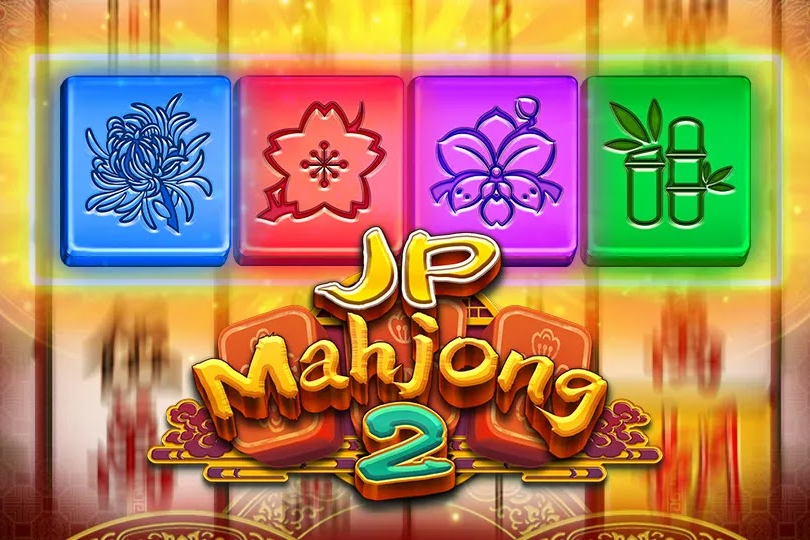
Free games, multipliers, and a Megaways-style variable-ways layout built on a mahjong tile set rather than conventional slot symbols. The distinctive part is the reading experience: variable ways plus tiles means you are processing more visual information per spin than almost any other game in the catalogue, and it rewards slowing down. The 24.67% hit frequency keeps the base game engaged while you learn the symbol hierarchy. Medium volatility with a 4,000x maximum win and a 96.56% RTP, which is towards the upper end of the FTG slot range.
Honey Boom
A 6×5 grid with cascading reels where any eight matching symbols anywhere on the grid form a win, so there are no paylines to track at all. Free games run to 10 spins with multipliers building as high as 100x, and a buy feature is available if you would rather skip the wait. The distinctive element is that 100x multiplier ceiling sitting on a 2,000x maximum win, which tells you the top result is built almost entirely inside the bonus rather than in base play. Medium volatility with a 20.01% hit frequency and a 96.13% RTP.
Sahara Destiny

The highest published RTP in the FTG slot range at 96.80%, paired with a 36% hit frequency, which is the most generous combination the studio offers on paper. Built around a genie theme with combo scoring, where chained results build the round rather than resolving individually. What makes it distinctive is the shape of the session: it pays extremely often, but the 2,000x ceiling is modest by FTG standards, so it delivers frequency rather than ceiling. Medium volatility, and probably the most sensible starting point in the whole catalogue.
Tiger and Dragon Wild

The opposite end of the design range entirely. A single-row layout with one payline, running mixed symbols and multipliers with no bonus structure to track. The distinctive quality is how stripped back it is: fast rounds, an immediately legible screen, nothing to learn. Low volatility with a 12.40% hit frequency and a 1,680x maximum win, and an RTP of 96.48%. It is a classic-format slot in a catalogue mostly built around grids, and it exists for players who find modern feature stacking exhausting.
Bonus Structure Across the FTG Portfolio
Free games are the primary bonus format and are almost always scatter-triggered. Allocations tend to sit in the 10-spin range on the grid slots, with the enhancement rather than the spin count doing the work. Honey Boom is representative: 10 spins does not sound like much until you register that the multiplier meter can reach 100x inside them.
Buy features are available on a meaningful subset of titles, and FTG filters them on its own site, which makes them easy to find. If you are playing on a casino bonus rather than cash, check the terms first. Most online casino bonus conditions in the New Zealand-facing market either cap or exclude buy feature use while wagering is outstanding, and it is one of the more common reasons a withdrawal gets held up. For Kiwi players, remember most operators are offshore, and the Department of Internal Affairs does not regulate them, so terms can vary more than you might expect. Read the T&Cs closely.
Free spins offers from an online casino generally suit the high hit frequency FTG titles best. Bonus play usually runs at a capped stake, and at $0.20 a spin, a game like Sahara Destiny or Super Shot will produce a lot more actual play than a high volatility title with a large ceiling. If you are choosing where to send a free spins allocation, frequency beats ceiling almost every time.
On the jackpot side, the JP-prefixed games carry jackpot-style top awards that sit above the base game maths rather than replacing it. It is also worth noting for completeness that FTG builds table content including Baccarat, so if your online casino runs the studio alongside a live casino lobby you can move between RNG and live dealer tables in the same session, though the live tables themselves come from a different supplier.
RTP Across the FTG Catalogue
The slot range sits between 96.00% and 96.80%, which is at or slightly above the market average. Sahara Destiny leads at 96.80%, JP Mahjong 2 follows at 96.56%, and Super Shot sits at the floor with 96.00%. Outside the slots, the fishing titles run higher at 97.00% to 97.50%, and Baccarat sits at 98.50%, which reflects normal table game maths rather than anything unusual.
Configurable RTP versions are standard practice across the industry, so the figure your online casino runs may differ from the studio default. Open the information panel inside the client and read the number there before you commit time and bankroll to a game on your chosen site. It is the only RTP that applies to you.
What Works and What Doesn’t
The strength is the range and transparency in combination. Very few studios of this size publish hit frequency at all, and having it alongside volatility means you can pick a game that matches your bankroll and session length rather than guessing from a one-word label. The feature engineering is solid too, with Super Shot in particular stacking five mechanics without the game becoming unreadable, and the format spread from single-row classics through cascading grids to mahjong-tile Megaways-style layouts is genuinely wider than most catalogues twice the size.
The limitation is thematic concentration. If Asian mythology, festival imagery, and fortune symbolism do not appeal, a large portion of the catalogue will not draw you in regardless of how the maths reads, and there is less variety in art direction than there is in game design. The lower-RTP end of the range also sits at 96.00% on some of the better titles, which is fair rather than generous, and you are trading a little theoretical return for the high hit frequency those games deliver. Both of those are positioning decisions rather than flaws, but they will decide whether the studio suits you.
Who FTG Slots Actually Suit
If you like a busy base game and sessions that last, this catalogue is built for you. The high hit frequency titles are the studio’s real strength, and Sahara Destiny, Super Shot, and Coin Touch will all stretch a modest balance further than most European slots at the same stake. Kiwi players who are keen on grinding a $50 balance across an evening rather than chasing one big result will find more here than the provider’s profile suggests.
Experienced slot players get more out of the feature-dense end. Super Shot and JP Mahjong 2 reward understanding how walking WILDs and variable-ways scoring interact, and Honey Boom’s multiplier meter is worth learning properly before you use a buy feature on it. If you want the highest ceiling, Imperial Tomb at 8,891x is where to look.
The one thing I would suggest, regardless of experience, is starting in demo. The mahjong and single-row formats are unfamiliar enough that a few free rounds will tell you whether the reading experience suits you, and the spec panel means you can suss out the maths before you ever load the game. Between those two, there is very little reason to go in blind with this studio, and that is more than most providers offer.
Related articles
Erik King is a seasoned iGaming analyst and the lead editor at Kiwislots.nz, where he brings over a decade of hands-on experience in the online casino industry. Known for his sharp eye for detail and player-first mindset, Erik has reviewed hundreds of casino sites, tested thousands of games, and personally vetted bonus terms to ensure transparency and fairness for players.
With a background in digital compliance and user experience design, Erik not only writes about online gambling but actively collaborates with operators to improve responsible gaming practices. His work has been featured in multiple international gambling publications, and he frequently contributes expert commentary on industry regulations, licensing, and player safety.
At Kiwislots.nz, Erik's mission is simple: to guide readers toward secure, fair, and entertaining casino experiences, backed by real-world insights and thorough research. When Erik recommends a casino, you can be confident it has passed a rigorous quality check for legitimacy, game variety, payment speed, and customer support.
Department of Internal Affairs | Gambling Helpline | Responsible Gambling Council | NZGC | Problem Gambling Foundation | Gambling Act 2003